

BLOG

The Future of Independent Medical Practices in an AI-Driven World

Since the beginning, independent medical practices have served as the backbone of personalized care, but today's reality is tougher than ever. Administrative expenses are on the rise, staffing shortages continue, and both payer requirements and patient expectations are increasing.

Meanwhile, artificial intelligence (AI) is rapidly transforming healthcare operations. AI isn't replacing independent practices; instead, it offers ...

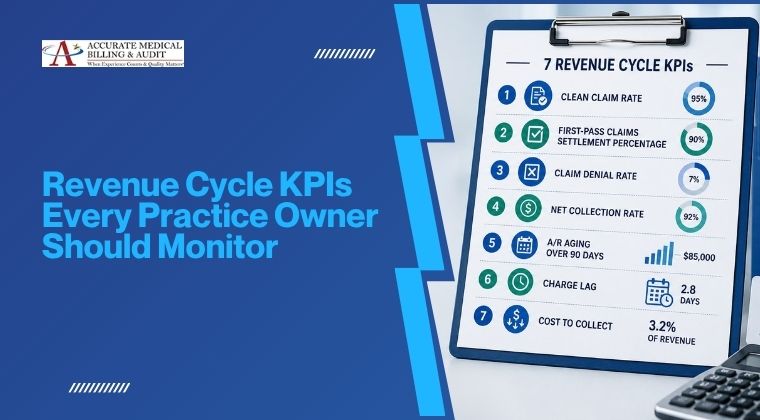
8 Revenue Cycle KPIs Every Practice Owner Should Monitor

Being successful with your medical practice isn't only about providing your patients with top-quality healthcare; it's also about ensuring your bottom line is healthy. But most practice owners don't become aware of a revenue issue until there's a slowdown in cash flow, an increase in accounts receivable or an increase in claim denials.

Tracking the appropriate Key Performance Indicators (KPIs) can help you find billing ...

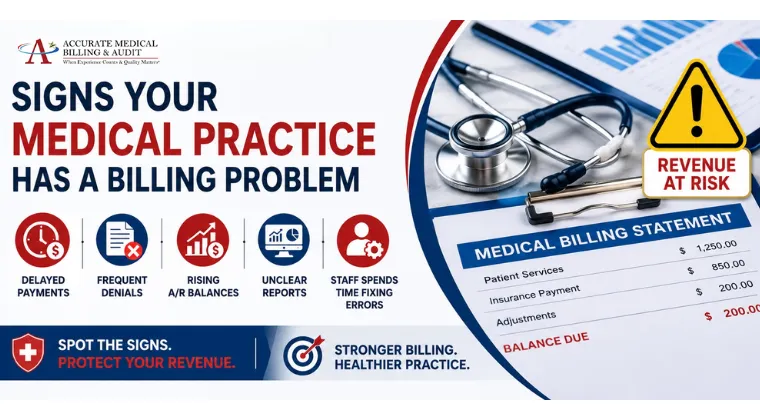
Signs Your Medical Practice Has a Billing Problem

The process doesn’t usually start with anything sensational. There are no alarm bells ringing; there is no dramatic crash. It just starts happening in small ways until “that’s just how things work.” What used to be a two-week process now becomes a four-week process and then a six-week process. A few denials start creeping up, but they remain manageable.

That’s usually where it hides, right in front of you. A billing ...

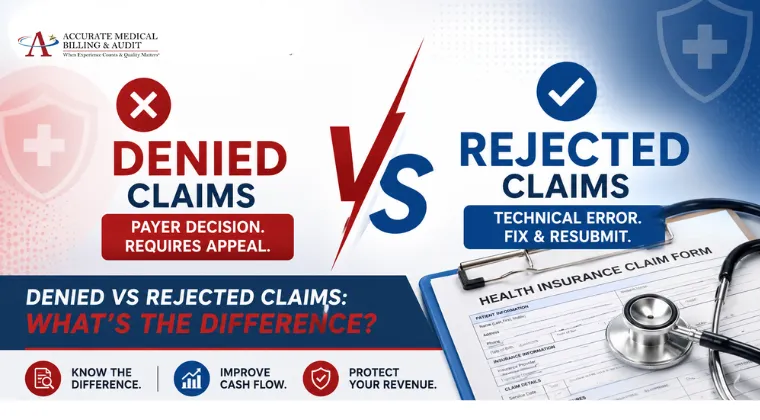
Denied vs Rejected Claims: What’s the Difference?

In medical billing, everything might seem 'processed' at first, but sometimes payments never show up. A claim goes into the system, the staff waits for updates, and eventually the status appears: rejected or denied. These words sound similar, but they mean very different things. Not knowing the difference can quietly drain revenue in many healthcare organizations.

This is a common experience for many medical professionals due ...

Denial Trends in 2026: What Insurance Companies Are Rejecting Most

A claim is filed. The documentation appears to be comprehensive. Coding appears accurate. Eligibility was verified. But then the denial comes, anyway, a few days later. That cycle is becoming far too common for many healthcare practices.

The denial scene is rapidly evolving, in other words. For providers seeking to preserve healthy cash flow, it is no longer possible to simply miss the mark on what insurance companies are ...

5 Signs Your Practice Needs a Medical Billing Audit

Many healthcare facilities do not recognize that there is a billing issue until the financial strain becomes too great to overlook. Perhaps payments are delayed, or denial of claims is happening more frequently, or maybe revenue has been unpredictable lately without any fluctuation in the number of patients.

At first, it is easy to blame insurance companies, staffing shortages, or changing payer rules. And yes, those factors ...

Revenue Cycle Management (RCM) Guide for Growing Clinics: Process, Challenges & Best Practices

For growing clinics, inefficiencies in revenue cycle management (RCM) can quietly disrupt operations—leading to delayed reimbursements, rising claim denials, and inconsistent cash flow.

While patient care remains the top priority, the financial backbone of your practice depends on how efficiently your healthcare revenue cycle is managed. A single gap in the process—whether in patient registration, coding, or ...

Top Medical Billing Errors That Cause Claim Denials (And How to Prevent Them)

Healthcare providers lose billions annually due to preventable claim denials, with denial rates reaching nearly 20% across the industry. What often appears to be a payer issue usually originates within the billing workflow itself.

A single error—whether in patient information, coding, or authorization—can delay payments, disrupt cash flow, and increase administrative burden. The good news? Most medical billing errors are ...

What Is a Medicare Replacement Plan? A Complete Provider Guide

Healthcare providers frequently hear the term “Medicare replacement plan” during patient registration, eligibility verification, and billing discussions. While the phrase may suggest an entirely separate insurance program, it is actually an informal term commonly used to describe Medicare Advantage (Part C).

For physicians, billing departments, and healthcare administrators, understanding ...